Reading nonfiction and popular science literature has always been considered a useful way to expand one’s horizons and increase knowledge. However, over time, I have come to realize that this genre of books has much deeper value. Reading such works not only helps to understand complex phenomena but also develops attentiveness, critical perception, and a…

Category: Blog
What Happens to a Story When You Listen Instead of Read? Exploring Audiobooks
Modern technology has dramatically changed the ways we consume information, and one of the clearest examples of this trend is the rise of audiobooks. Books, once accessible only in written form, can now be heard—transforming how we perceive the text. Audiobooks open new horizons in literary experience, emphasizing auditory delivery rather than visual engagement. In…
How The Little Prince Changed the Way I Think About Growing Up
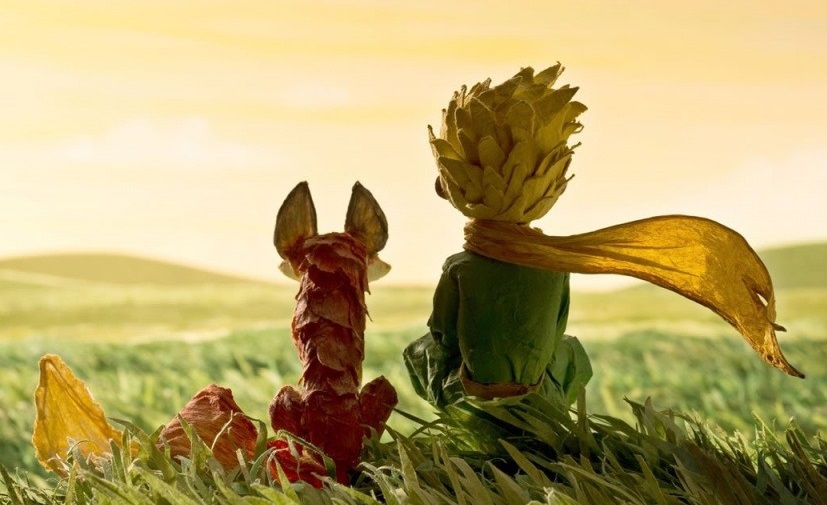
Antoine de Saint-Exupéry’s The Little Prince is often perceived as a children’s book, yet it is, in many ways, addressed primarily to adults. It is not so much a story about childhood as it is about what happens to a person while growing up and gradually losing the ability to see what truly matters. For…
How Jane Eyre Taught Me to Recognize My Own Inner Strength
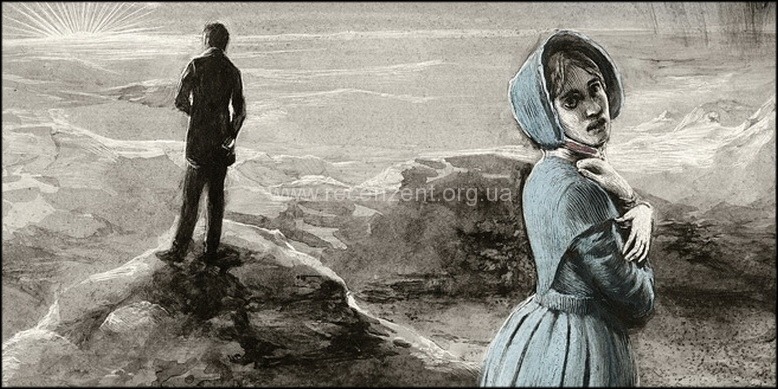
Reading classic literature is often seen as an academic requirement or a way to expand one’s cultural horizon. Yet some works prove far more personal and transformative than expected. Charlotte Brontë’s Jane Eyre is not only a story about the hardships of its heroine’s life but also a vivid depiction of the journey toward inner…
How Memoirs Help Us Make Sense of Our Own Lives
Memoirs have a unique power: they allow us to step into someone else’s life while reflecting on our own. By reading about other people’s experiences, struggles, and triumphs, we can better understand our personal journeys, decisions, and emotions. Memoirs do not merely recount events; they provide insight into human nature, resilience, and the ways in…
How Dystopian Literature Changed the Way I View Modern Society
For a long time, I treated dystopian novels as exaggerated warnings—interesting, sometimes disturbing, but ultimately fictional. Total surveillance, rigid social control, mass manipulation, and loss of individuality felt distant, belonging to imaginary futures rather than everyday life. That perception changed gradually, almost unnoticed, as I read more dystopian literature and began recognizing its themes in…
Finding Myself in The Kite Runner: Reflections on Identity, Guilt, and Forgiveness
Some novels stay with you long after the final page, and The Kite Runner by Khaled Hosseini is one of them. It is a book that manages to be both intimate and epic, personal and political, deeply emotional yet unsentimental. While the plot revolves around friendship, betrayal, trauma, and redemption, the deeper current that runs…
What Fantasy Worlds Teach Us About Real-World Courage
Fantasy is not just an escape from reality, nor merely a realm where magical powers and dragons decide the fate of nations. In truth, the genre has long served as a mirror of human nature and a laboratory in which we can explore courage, leadership, and moral choices in new ways. Through imagined universes, we…
Growing Up Alongside Anne of Green Gables
Many readers do not simply read Anne of Green Gables – they grow up with it. Lucy Maud Montgomery’s classic became more than a beloved childhood novel: it shaped identities, values, friendships, and views of the world. Exploring how readers mature alongside Anne offers a revealing look at why the book has endured for more…
Why The Book Thief Changed How I See Humanity
The Book Thief is more than a bestselling novel; it is a story that transforms how readers understand humanity, compassion, cruelty, and the fragile resilience that endures even in the darkest historical moments. For students, lifelong readers, and anyone searching for books that shape inner perspectives, Markus Zusak’s novel offers lessons that stay long after…